
Living Water in a Thirsty World: Reflections on John 7
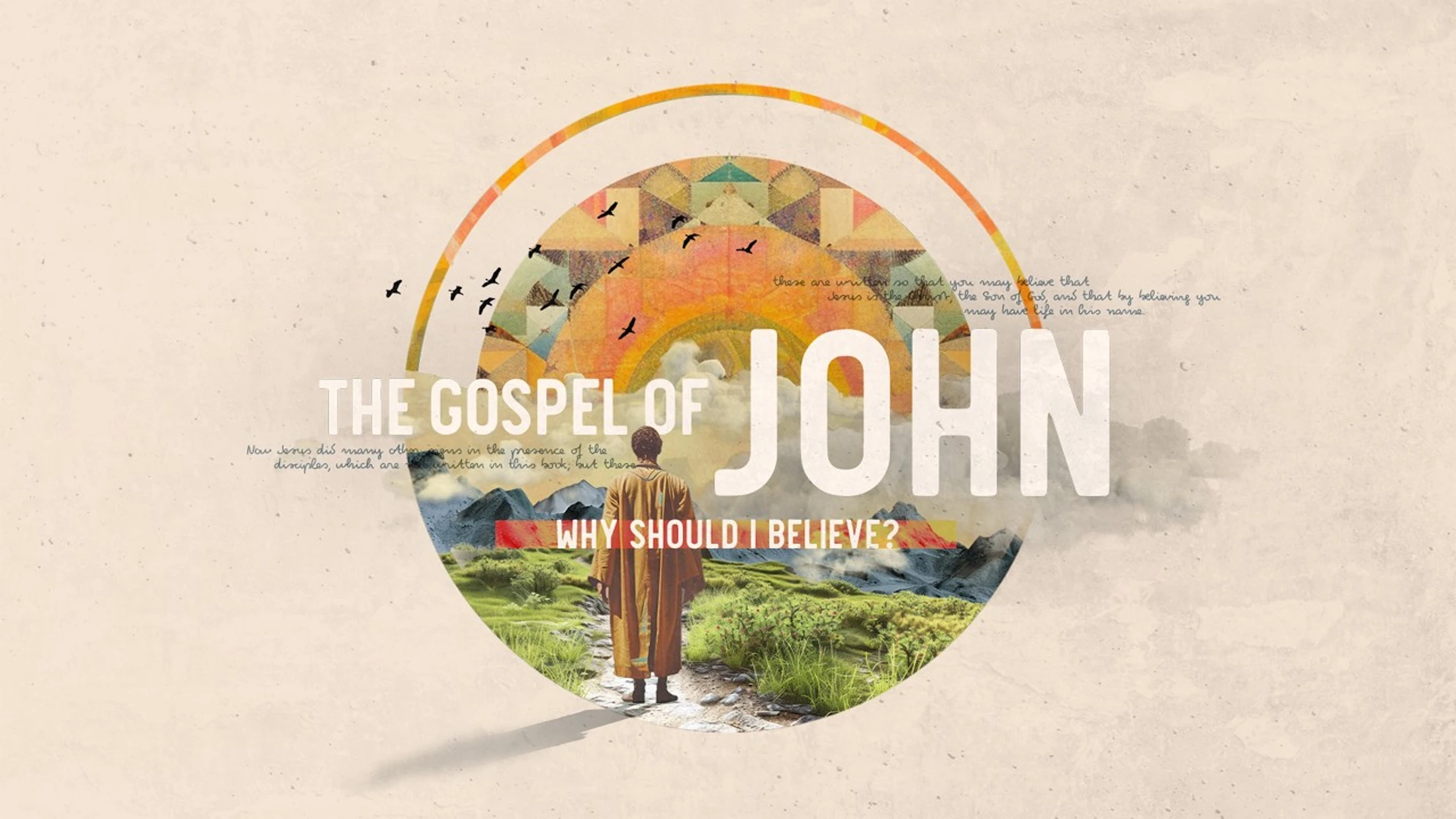
There is something deeply human about thirst. It is not a polite inconvenience — it is a demand. The body does not suggest that you drink water; it insists. And the longer the thirst goes unmet, the more consuming it becomes until nothing else matters. Every thought bends toward relief. Every instinct points toward the source.
This is precisely the image that sits at the heart of John chapter 7, verse 37, and it is an image that cuts right through the noise of modern life and speaks to something we all carry but rarely name: a spiritual thirst that the world simply cannot satisfy.
The Context Changes Everything
Before we can feel the weight of this passage, we need to understand where it takes place. The Gospel of John is not written the same way as Matthew, Mark, or Luke. Those three are called the synoptic gospels — they share a similar structure and perspective. John is different. John is a gap-filler. He is a writer who moves with intention, circling back to moments the other gospel writers passed over, pressing into details that might otherwise be lost.
And that matters here, because John chapter 7 is not just a collection of verses floating in spiritual abstraction. It is a scene. It is a moment in history with real people standing in a real place, confused, divided, and in many cases deeply resistant to the truth standing right in front of them.
When we read scripture without its context, we risk hearing only what we want to hear. We risk pulling a verse out of its setting and bending it to fit our own preferences rather than allowing it to shape us. The right approach is to first ask what the text is actually saying, who it was written to, and what the original intention was — and only then ask what it means for our lives today. That order is not a technicality. It is a safeguard. Getting it backwards can cause real damage.
The Carnality of the Crowd
One of the striking things about John chapter 7 is how honestly it portrays the people surrounding Jesus. They are not villains in a cartoon sense. They are simply human — carnal, confused, pulled in different directions, unable to agree on who this man is or what He means. Some are curious. Some are hostile. Some are caught somewhere in between, wanting to believe but unwilling to commit.
This is not a crowd that lived two thousand years ago and has nothing to do with us. This is a portrait of the human condition. We are people who look at truth and debate it rather than receive it. We are people who stand in the presence of something life-changing and argue about the details. The confusion in that crowd is not ancient history. It is a mirror.
And yet into that confusion, into that noise and division and spiritual fog, Jesus speaks.
One Gospel, Four Perspectives
It is worth pausing to appreciate what we actually hold in our hands when we open the Bible. Four gospel accounts — Matthew, Mark, Luke, and John — each written by a different man, each carrying a distinct voice and emphasis. Matthew presents Jesus as King, speaking to a Jewish audience familiar with the promises of a coming ruler. Mark is sharp and detail-driven, moving quickly from moment to moment with urgency. Luke writes with the care of a historian and a physician. And John — John writes as someone who was there, who saw it, who cannot stop thinking about what it all means.
But here is what must not be missed: four accounts, one gospel. The gospel is singular. It is the death, the burial, and the resurrection of Jesus Christ. Everything in scripture — every story, every prophecy, every letter, every poem — points toward that singular reality. Christ is not a theme among many themes in the Bible. He is the point. He is the destination every road in scripture is heading toward.
Understanding this changes how we read. When we open to any passage, we are not just gathering information or collecting moral lessons. We are tracing a line that leads to Jesus.
The Thirst We Cannot Ignore
Return for a moment to that image of thirst. In John 7:37, Jesus stands up and calls out to anyone who is thirsty, inviting them to come to Him and drink. The setting is the Feast of Tabernacles, a Jewish celebration that included a ritual pouring of water — a ceremony rich with symbolism pointing back to God's provision of water in the wilderness and forward to the promise of spiritual renewal. Jesus steps into that moment and makes an astonishing claim. He is not pointing to a ritual. He is not directing people to a religious practice. He is pointing to Himself.
The invitation is breathtaking in its simplicity and staggering in its implication. Come. Drink. The one thing your soul has been reaching for, the relief your spirit has been desperate for — it is found in Me.
This is not a metaphor designed to make us feel warm. It is a declaration. Jesus is saying that every other source people run to in their thirst — achievement, approval, pleasure, religion, distraction — will leave them dry. He alone satisfies.
What This Means for Us
The crowd in John 7 had every opportunity. Jesus was right there. His words were clear. And still, many walked away unconvinced, still thirsty, still debating.
The danger for us is not that we lack access to the truth. The danger is that we become so accustomed to our thirst that we stop believing it can actually be quenched. We manage it. We distract ourselves from it. We fill our lives with noise so we do not have to sit with the ache.
But the invitation of John 7:37 still stands. It has not expired. It is not reserved for people who have it all together or who have never doubted or who come from the right background. It is an open call to anyone who is thirsty.
And if you are honest with yourself this morning, you know exactly what that feels like.
Come. Drink. He is still offering.